
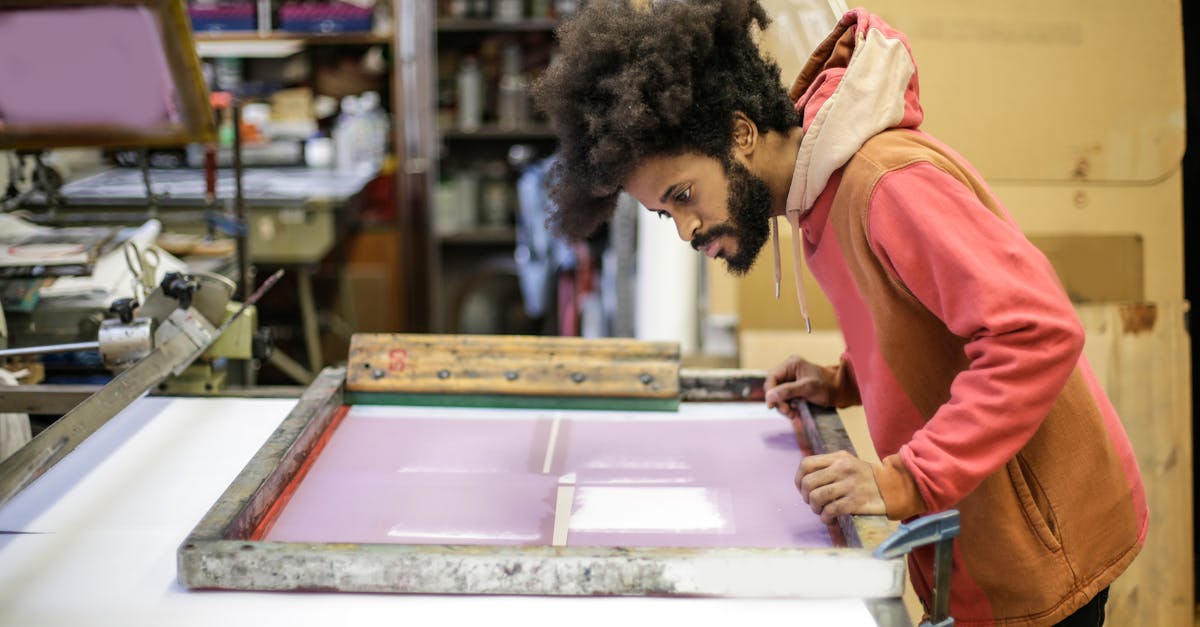
Printmaking is more than just a craft; it’s a vibrant form of artistic expression that blends creativity with technical skill. As I dive into the world of printmaking jobs, I realize how diverse and rewarding these career paths can be. From traditional techniques like lithography and etching to modern digital printing, there’s a niche for every artist and technician.
In today’s art and design landscape, printmaking holds a unique position, offering opportunities in various sectors, including fine arts, commercial design, and educational institutions. Whether you’re looking to create stunning prints or explore the business side of art, printmaking jobs can provide fulfilling career options that allow for personal growth and artistic exploration. Let’s explore what it takes to thrive in this dynamic field.
Table of Contents
ToggleKey Takeaways
- Diverse Career Paths: Printmaking jobs encompass a wide range of roles, including fine artist, print shop technician, graphic designer, and art educator, catering to various artistic talents and interests.
- Essential Skills: Success in printmaking requires a blend of creativity, technical proficiency, attention to detail, time management, and problem-solving capabilities.
- Educational Foundations: Formal education, apprenticeships, and workshops are critical in developing the skills necessary for printmaking careers, ensuring a solid understanding of both traditional and digital techniques.
- Industry Trends: The printmaking industry is influenced by technological advancements, sustainability practices, and a growing demand for customization, shaping job opportunities and the creative landscape.
- Potential Employers: Career opportunities exist in fine arts institutions, commercial design companies, educational organizations, artisan print shops, and publishing houses, providing a platform for artistic expression and professional development.
- Collaboration and Innovation: The trend towards interdisciplinary collaboration in printmaking fosters innovative projects and expands creative possibilities, enhancing the overall art community.
Overview of Printmaking Jobs
Printmaking jobs offer a range of creative opportunities, combining artistic expression with technical precision. These positions often require proficiency in traditional techniques like lithography, etching, and screen printing, alongside modern digital methods that enhance design capabilities.
Types of Printmaking Jobs
- Fine Artist: Fine artists create original prints for exhibitions and galleries, focusing on personal artistic expression and often experimenting with various techniques.
- Print Shop Technician: Technicians manage equipment, produce prints for clients, and ensure quality control throughout the printing process.
- Graphic Designer: Graphic designers utilize printmaking skills to develop visual concepts for marketing materials, packaging, and branding.
- Art Educator: Educators teach printmaking techniques in schools, workshops, and community centers, promoting creativity and artistic development in students.
- Printmaker: Printmakers specialize in producing prints, often collaborating with other artists and clients to realize artistic visions.
Skills Required for Printmaking Jobs
- Creativity: Innovating unique designs and techniques to stand out in the field.
- Technical Proficiency: Mastering various printmaking processes, including manual and digital applications.
- Attention to Detail: Ensuring accuracy and quality in every print produced.
- Time Management: Balancing multiple projects and meeting deadlines efficiently.
- Problem-Solving: Addressing challenges that arise during the printmaking process effectively.
- Fine Arts: Galleries and art institutions often seek printmakers for exhibitions and projects.
- Commercial Design: Companies in advertising and branding require printmakers for promotional materials.
- Education: Schools and universities hire printmakers to teach courses and workshops.
These diverse roles in printmaking offer fulfillment and the chance to explore artistic capabilities further. I’d recommend considering the various paths available to align your skills and passions with suitable career options.
Types of Printmaking Jobs
Printmaking jobs offer various avenues for creative expression and professional growth. Below are key categories within this field.
Fine Art Printmaking
Fine art printmaking focuses on creating original artworks intended for exhibitions and galleries. Artists often use methods such as etching, lithography, and screen printing to produce limited editions. Many fine artists collaborate with print studios or work independently, requiring a strong artistic vision and technical skill. Notable roles include:
- Printmaker: Creates original prints, employing various techniques to achieve artistic concepts.
- Gallery Artist: Displays work in galleries, seeking sales and recognition within the art community.
- Art Consultant: Advises clients on purchasing fine art prints, providing expertise in valuation and authenticity.
- Graphic Designer: Designs promotional materials, packaging, and branding, integrating printmaking techniques.
- Print Production Manager: Oversees the printing process, ensuring quality control and efficiency in production.
- Marketing Specialist: Develops and executes marketing campaigns that utilize printed materials to reach target audiences.
Skills Required for Printmaking Jobs
Printmaking jobs demand a range of technical and creative skills. Mastery in these areas becomes essential for success in various roles within the industry.
Technical Skills
- Printing Techniques: Proficiency in traditional methods like lithography, etching, and screen printing, along with familiarity in digital printmaking techniques.
- Equipment Operation: Competence in operating and maintaining printing presses and other specialized equipment.
- Software Knowledge: Familiarity with design software, such as Adobe Photoshop and Illustrator, enhances digital printmaking capabilities.
- Color Theory: Understanding color mixing and application ensures quality results and effective communication through design.
- Material Handling: Knowledge of various inks, papers, and substrates aids in selecting the appropriate materials for projects.
- Artistic Vision: Ability to generate original concepts and translate them into compelling visual art.
- Attention to Detail: Precision in executing designs ensures high-quality outcomes in print projects.
- Problem-Solving: Capability to troubleshoot and adapt techniques to overcome challenges during the printing process.
- Composition Skills: Strong sense of layout and composition directs how elements interact within a print, enhancing visual impact.
- Collaboration: Willingness to work with other artists, designers, and clients fosters innovation and effective project execution.
Education and Training for Printmaking Careers
Education and training play a crucial role in preparing for printmaking careers. Various paths exist for individuals seeking to develop the necessary skills and knowledge.
Formal Education
Formal education in printmaking typically involves pursuing a degree in fine arts, graphic design, or a related field. Bachelor’s degrees often include comprehensive coursework in traditional and digital printmaking techniques. Programs frequently cover topics such as color theory, typography, and print design fundamentals. Many institutions offer specialized printmaking studios equipped with modern technology and tools. Graduates emerge with a strong portfolio showcasing their work, which is essential for securing employment in fine arts and commercial design sectors.
Apprenticeships and Workshops
Apprenticeships provide hands-on experience valuable for aspiring printmakers. Working alongside experienced professionals allows individuals to learn the nuances of printmaking techniques in a real-world setting. Apprenticeships often focus on traditional methods, such as etching, lithography, and screen printing. Workshops conducted by established artists or organizations further enrich skills, offering intensive training sessions covering specific techniques or styles. Participating in these workshops fosters networking opportunities within the printmaking community, enhancing professional growth and collaboration.
Job Market and Opportunities
The printmaking job market offers a range of opportunities shaped by industry trends and potential employers. Understanding these aspects can enhance your career prospects in this creative field.
Trends in the Printmaking Industry
Technological advancements, such as digital printing and eco-friendly materials, significantly impact the printmaking industry. Automation and digital techniques create new forms of expression, allowing printmakers to experiment and innovate. Customization in printing services grows in demand, driven by consumer preference for personalized products. Sustainability in printmaking practices, such as the use of non-toxic inks and recyclable materials, attracts environmentally conscious clients. Additionally, the trend toward interdisciplinary collaboration encourages printmakers to work alongside artists from various fields, expanding creative possibilities and market reach.
Potential Employers
Printmakers can find job opportunities across diverse sectors. Potential employers include:
- Fine Arts Institutions: Galleries, museums, and art studios often seek printmakers for exhibition planning and artwork creation.
- Commercial Design Companies: Branding agencies, marketing firms, and advertising agencies employ printmakers to develop promotional materials and product packaging.
- Educational Organizations: Schools, colleges, and universities hire art educators for teaching printmaking techniques and courses.
- Artisan Print Shops: Local printmaking shops offer roles for print technicians, helping to produce high-quality artistic prints.
- Publishing Houses: Book publishers and magazines require printmakers for cover designs and illustrations.
These roles provide excellent opportunities for personal and professional growth while allowing printmakers to showcase their unique artistic styles.
Exploring printmaking jobs has opened my eyes to a world where creativity meets technical skill. Whether you’re drawn to fine art or graphic design there’s a niche for every passion and talent. The blend of traditional techniques and modern innovations makes this field incredibly dynamic.
I believe the opportunities for personal and professional growth are abundant. With the right training and a commitment to honing your craft you can carve out a fulfilling career in printmaking. As the industry evolves staying adaptable and embracing new technologies will be key to success.
If you’re considering a path in printmaking I encourage you to explore the various roles available. Each position offers a unique chance to express your artistic vision while contributing to a vibrant community.